Tips for Building
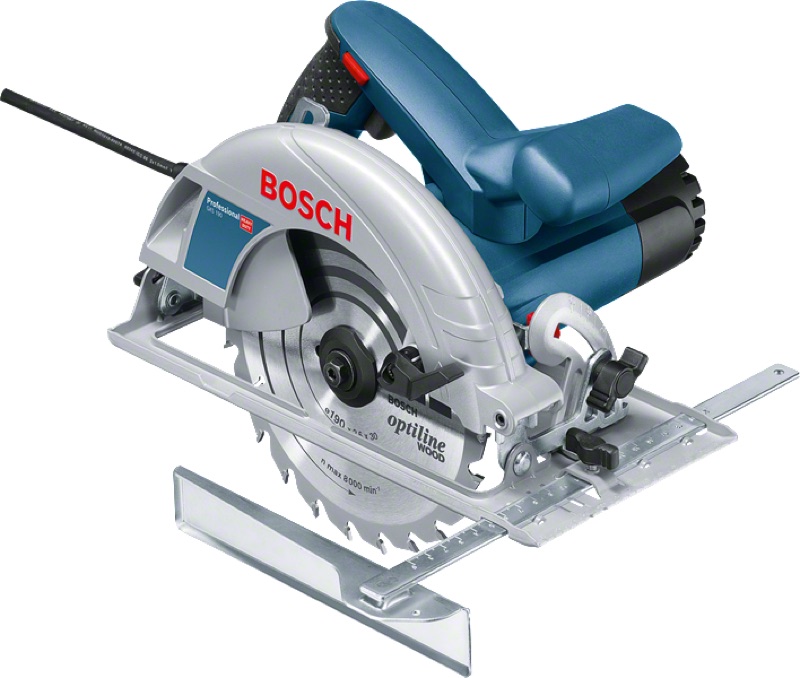
The highest score
Bosch Professional GKS 190
8/10
score calculated from published figures
The deepest cut, and the noise
Scored comparison
Rafters, joists, OSB, formwork boards, decking: on a self-build the circular saw cuts every piece of timber that passes. Motor power, advertised everywhere, says almost nothing about what it will cut.
Affiliate link: we earn a commission if you buy through it, at no extra cost to you. It never affects our scores. How we make money
The highest score
8/10
score calculated from published figures
The deepest cut, and the noise
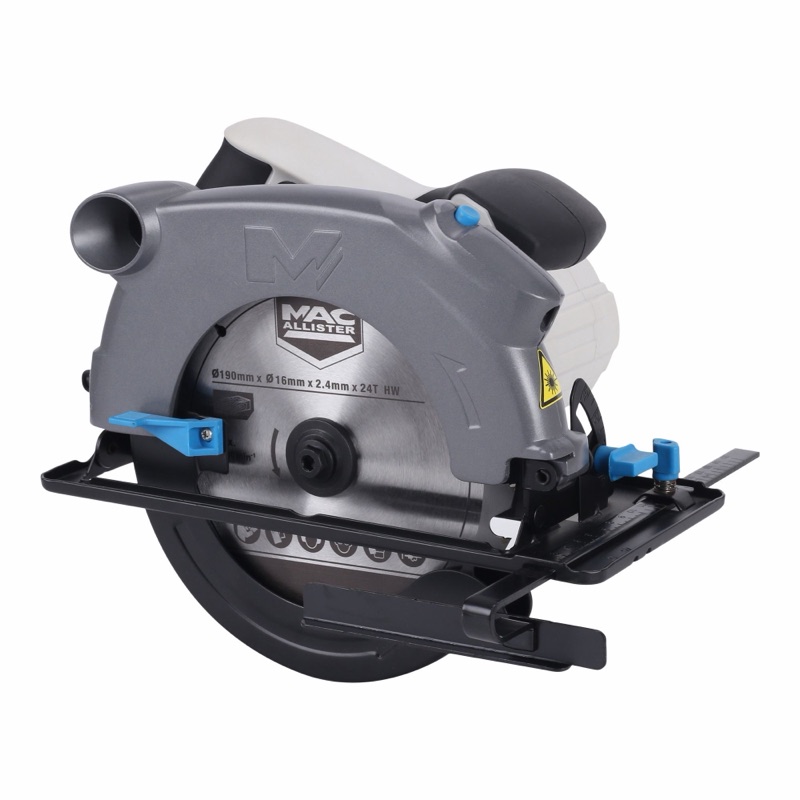
The best price per millimetre
7/10
score calculated from published figures
The lowest price, no soft start
Look at cutting depth at 45°. At 90°, every saw in the panel cuts 65 to 70 mm, enough for a 63 mm joist in one pass. At a bevel the gap opens up, from 42 to 50 mm: a 45 mm board cut at 45° needs at least 45 mm.
11 of 11 machines
| Machine | Score | Cutting depth at 90° | Retrieved price |
|---|---|---|---|
| 8/10 | 70 mm | $158.68See on Amazon | |
| 7.5/10 | 67 mm | $91.21See on Amazon | |
| 7/10 | 66 mm | $172.45See on Amazon | |
| 7/10 | 67 mm | $211.98See on Amazon | |
| 7/10 | 66 mm | $131.17See on Amazon | |
| 7/10 | 66 mm | $69.43See on Amazon | |
| 6.5/10 | 65 mm | $169.13See on Amazon | |
| 6.5/10 | 66 mm | $141.14See on Amazon | |
| 6.5/10 | 66 mm | $131.43See on Amazon | |
| 6/10 | 65 mm | $158.44See on Amazon | |
| 5/10 | 66 mm | $269.07See on Amazon |
No item matches these filters.
We have not run any of these saws, and we do not present anything as if we had. The score comes from five measurable criteria: cutting depth at 90° 30 percent, price per millimetre of cut 25 percent, sound power LwA 20 percent, weight 15 percent, cutting depth at 45° 10 percent. Each value is placed on a 4 to 10 scale against the other machines in the panel.
Depths at 90° are very close, 65 to 70 mm: on the relative scale, five millimetres separate the best from the worst. That is why price, noise and weight together weigh more than depth.
The saw that cuts deepest, the Bosch GKS 190, has a 1,400 W motor; several 1,600 W machines cut less deep. Depth depends on the blade and the guard geometry, not the motor.
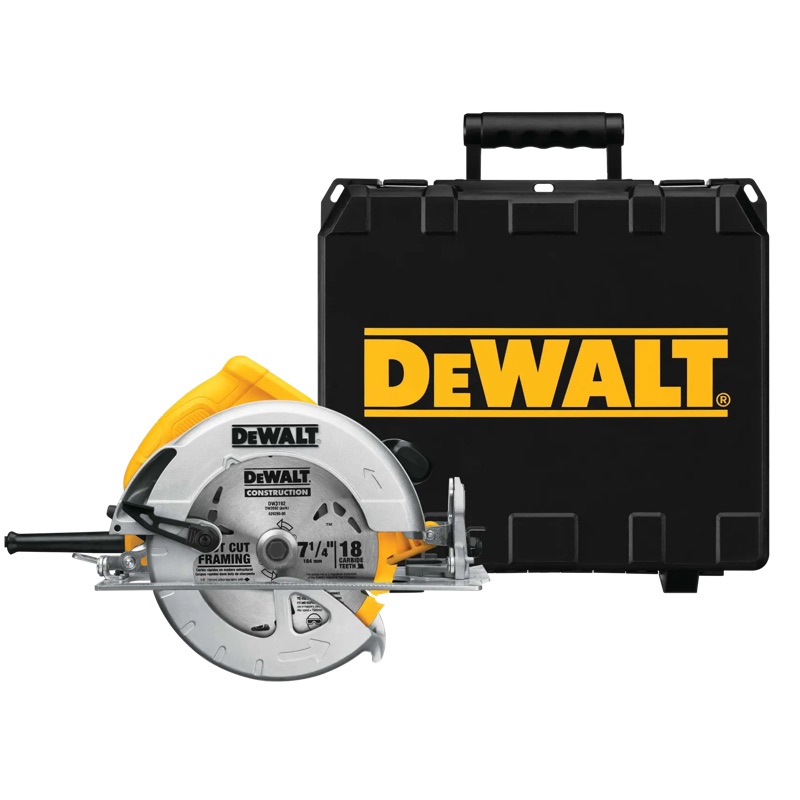
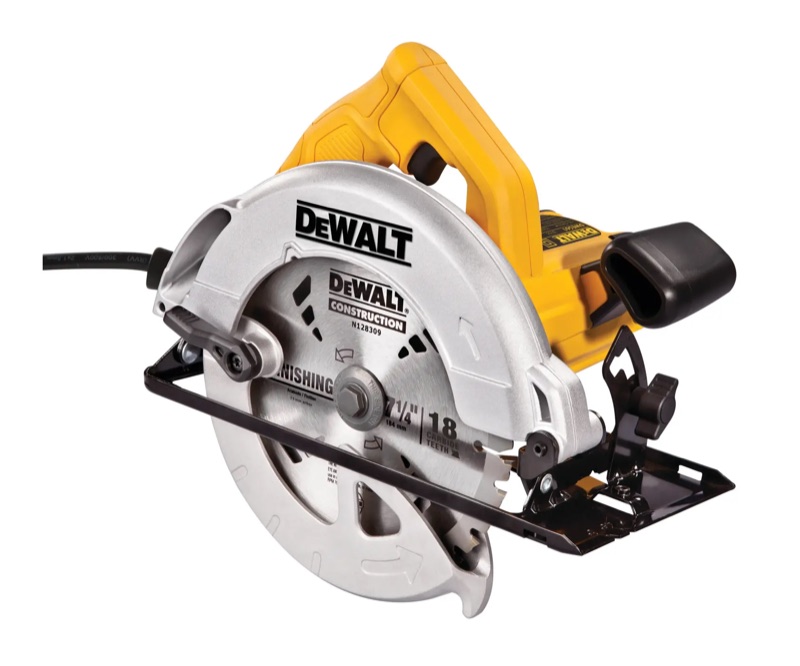
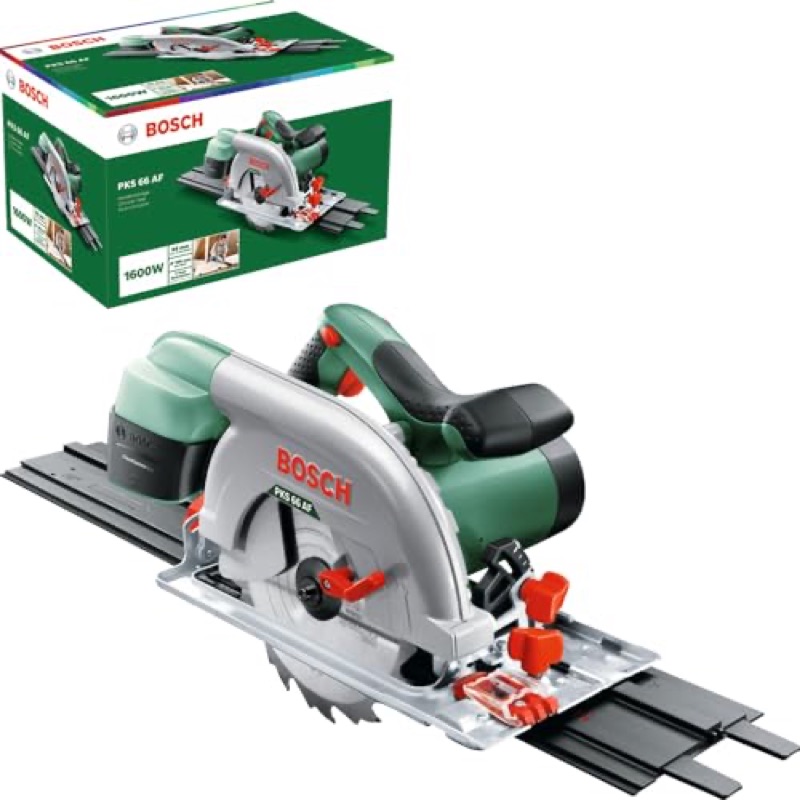
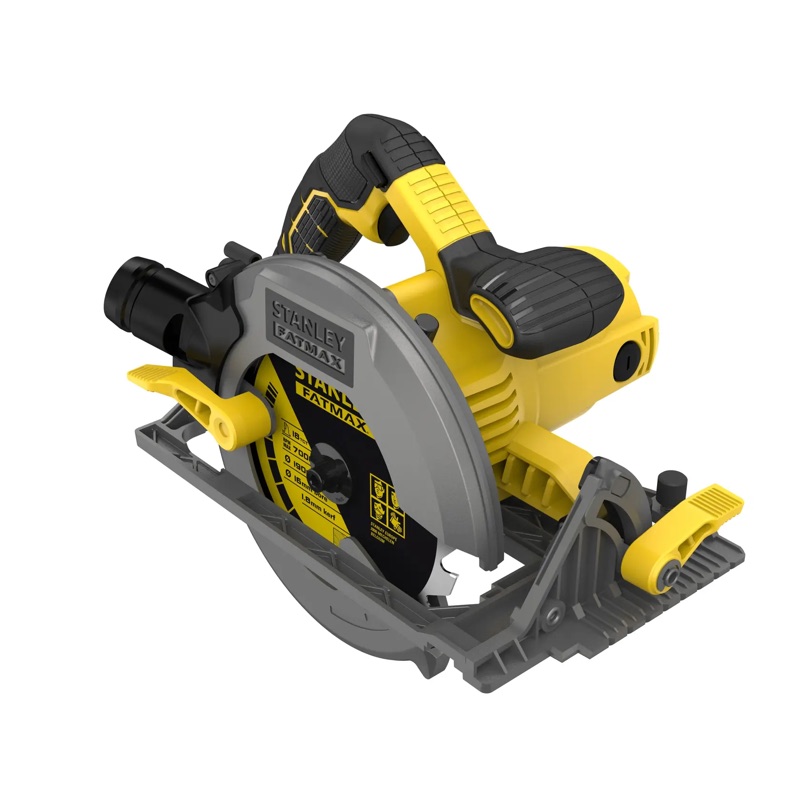
We read the product page and the manual for every saw. The DeWalt DWE560 is sold as a 190 mm saw while its manual gives a 184 mm blade. The French page for the Stanley FME301 states 55 mm at 45°, a figure impossible with 66 mm at 90° on a 190 mm blade. Bosch publishes three different vibration values for the PKS 66 AF. Where manual and page differ, we use the manual and the page says so.
Choosing the machine is one thing, using it another. Here are the pages where it comes up, with the steps in order and the rest of the kit.
Dig out, compact, form up, reinforce, pour, level, cure: seven steps and the machines that are better hired.
Read moreRead the loft, fix what hides under the insulation, protect flue and downlights, insulate without compressing: both cases and the kit each one needs.
Read morePrepare the ground, set the supports, fix the joists, screw the boards, finish the edges: the steps of a deck that stays put.
Read moreA common rafter or joist is 63 mm thick: every saw in this comparison cuts it at 90° in one pass. For bevel cuts in 45 mm timber, check depth at 45°: it runs from 42 to 50 mm in this panel. For beams, you need a larger saw or two passes.
For dead straight cuts in OSB or plywood sheets, a rail changes everything: the cut follows a straight edge rather than your hand. Several saws here accept one; each page says whether the maker states it.
Both exist, and a blade for one does not always fit the other. 190 mm blades are the most common. Check diameter and bore in the manual before buying a spare.