 Tips for Building
Everything happens under the boards. A deck that rocks, creaks or rots almost always has the same original fault: supports that were never properly levelled, a joist sitting on bare soil, or timber whose use class does not match where it was put. The decking itself is the easy part. Reckon on a weekend of groundwork for a day of laying.
The steps, in order
Settle the supports before anything else
Over a sound slab or an existing patio, adjustable pedestals do the job and take up the fall. On open ground it is concrete pads or ground screws, spread as the board maker requires. While you are at it, check the finished height against the door threshold and which way water runs off: neither is easy to correct later.
Tools: tape measure, laser level, string line
Prepare the ground and stop the weeds
A shallow dig out, a weed membrane and a compacted layer of gravel beat a weedkiller that lasts one season. Water has to get away and air has to move under the finished deck: a deck boxed in on every side dries badly and the timber pays for it.
Tools: spade, rake, wheelbarrow, plate compactor
Set out and level the supports
String lines pulled tight, squareness checked on the diagonals, levels transferred with the laser, and the fall the manufacturer asks for. Every pedestal is set to its final height now: a support packed out later with an offcut is the one that will creak.
Tools: rotary laser, string line, square, mixer
Fix the joists
Joists run at right angles to the boards, at the spacing the maker gives for the board thickness you bought. They never touch soil, and a protective strip separates them from the supports. Leave the expansion gaps specified at the ends and against walls: timber moves with the weather, all year round. The decking calculator counts joists, boards and screws from that spacing.
Tools: circular saw, drill driver, spirit level, SDS-Plus rotary hammer
Screw down the deck boards
The gap between boards is in the instructions, because it depends on the species and on the moisture content of the timber on the day: boards delivered wet will shrink. Pilot drill near the ends so nothing splits, use stainless fixings in the grade recommended, and line the first board to a string: everything else follows from it.
Tools: impact driver, spacing jig, clamps, pilot drill bit
Cut the edges and finish the ends
Rather than trimming each board, lay them long, then cut the whole edge in one pass with the circular saw run against a guide. A fascia board closes the ends, a step takes up the height, and any ventilation openings are left clear.
Tools: circular saw, guide rail, mitre saw
Protect it, then look after it
Every species silvers in the sun, and that is looks, not disease. A decking oil slows it down and needs redoing. For cleaning, a stiff brush and water usually do; keep the pressure washer well back and on a low setting, or it will carve out the soft grain and leave the deck furry.
Tools: stiff brush, decking oil, pressure washer
The tools: buy or hire
| Tool | Buy or hire | Why |
|---|---|---|
| Circular saw Boards, joists, edge cut | Buy | The tool at the centre of this job: dozens of square cuts, then the whole edge in a single pass. See our scored comparison |
| Impact driver Boards and joists | Buy | Hundreds of stainless screws into dense timber: a plain drill driver overheats and chews the heads. See on Amazon |
| SDS-Plus rotary hammer Anchors into a slab | Buy | For fixing pedestals or a joist onto an existing concrete slab, nothing else drills at a decent pace. See our scored comparison |
| Rotary laser level Level and fall | Buy | Setting every support from one reference is what stops a deck from ending up dished. See on Amazon |
| Cement mixer Concrete pads | Depends on volume | Hire it for a one-off deck, buy it if more mixing is coming in the garden. See on Amazon |
| Earth auger Holes for supports | Hire | A few hours of boring, then a permanent obstacle in the shed. |
| Plate compactor Compacting the gravel | Hire | One day is enough, and its weight makes it a nuisance to store and to move. |
| Sliding mitre saw Repeat end cuts | Depends on volume | It saves real time on repetitive ends, but a guided circular saw will get you there. See on Amazon |
| Clamps and a spacing jig Laying the boards | Buy | A bowed board is pulled straight with a clamp, and the jig keeps the same gap across the whole deck. See on Amazon |
| Pressure washer Yearly cleaning | Buy | Useful at a distance and on a low setting for the spring clean; held close, it carves the timber. See our scored comparison |
Consumables
- Deck boards, timber or composite, in a use class that suits where they are going.
- Joists compatible with the boards and with the way they are fixed.
- Adjustable pedestals over an existing surface, or concrete pads and ground screws on open ground.
- Weed membrane and gravel for compacting.
- Stainless fixings in the grade the supplier recommends, or hidden clip fasteners.
- Protective strips between joists and supports.
- Fascia board to close the ends.
- Decking oil, if you want to hold off the silvering.
Safety on this job
- Circular saw: goggles, work clamped down, no hand in line with the blade, and a stable footing for the edge cut.
- Wood dust: a mask when cutting, especially with tropical hardwoods and composites, some of which irritate.
- Splinters and treated timber: gloves for handling, and wash your hands before you eat.
- Handling: a pack of boards takes two people, and it is stored flat, on bearers, out of driving rain.
- Buried services: before digging for supports, find out where the water, gas and electricity run.
Machines we compare for this job
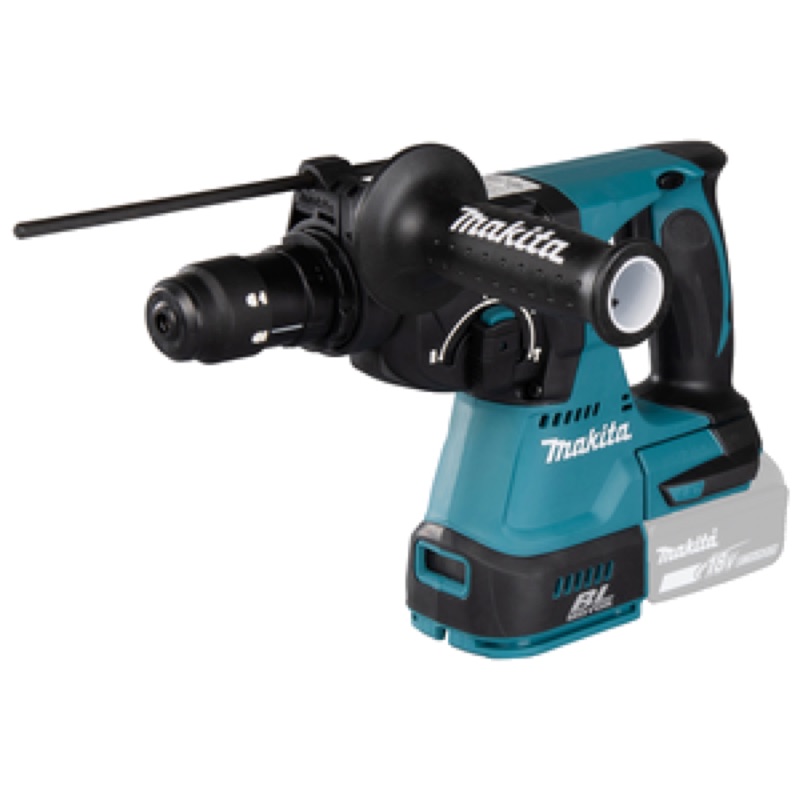
18V SDS-Plus rotary hammers
Seven 18V SDS-Plus rotary hammers, one per battery platform, scored on impact energy, capacity, hammer rate and price per joule.
See the comparison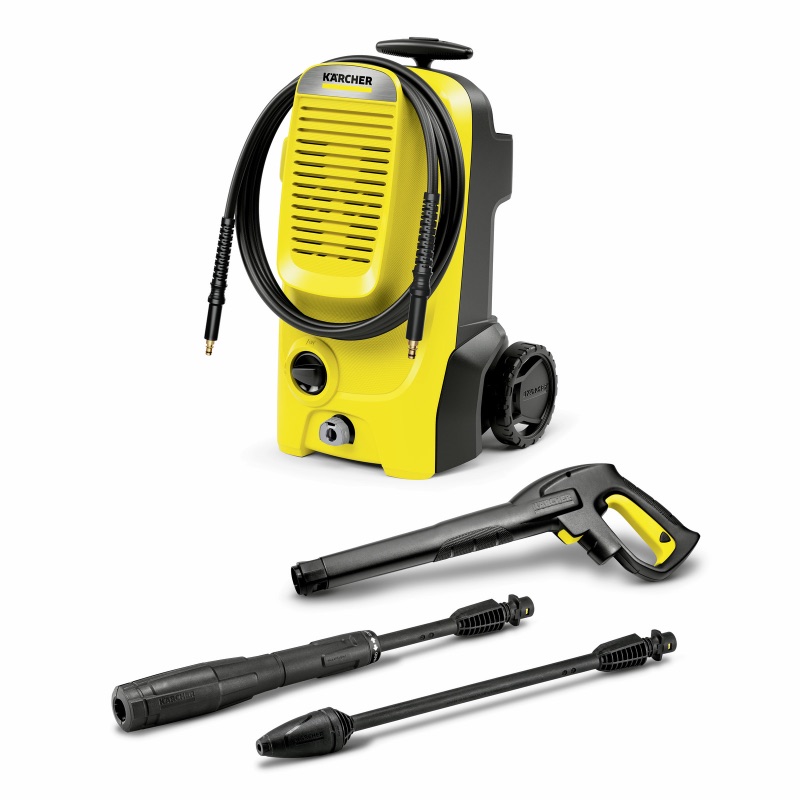
Pressure washers
Eleven pressure washers scored on rated pressure and flow, not the maximums on the box: hydraulic power, price per kW, noise, weight and hose length.
See the comparison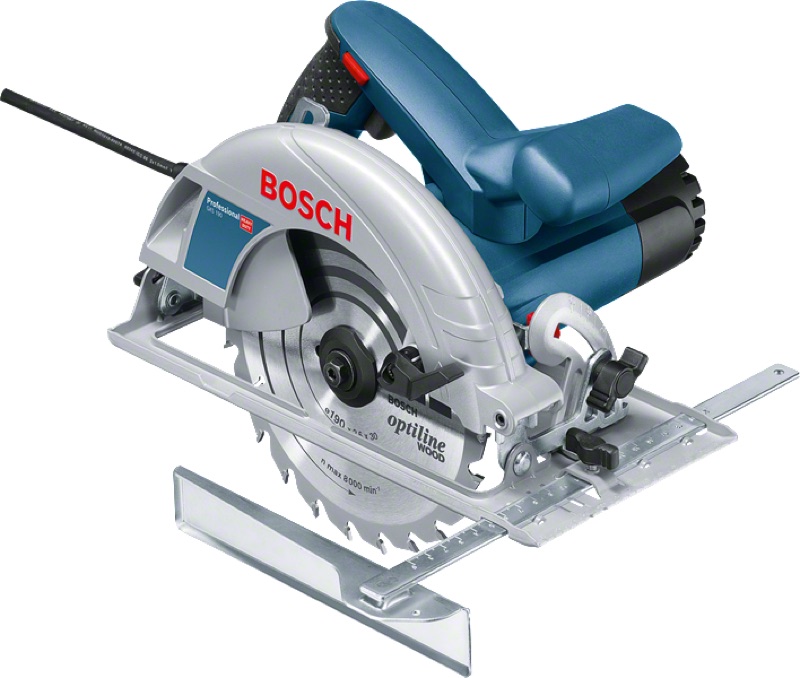
Circular saws
Eleven 184 to 190 mm circular saws scored on cutting depth at 90° and 45°, price, noise and weight, with the inconsistencies in their spec sheets flagged.
See the comparisonFrequently asked questions
Does a deck need a concrete base?
No. A slab mainly matters when it is already there, in which case adjustable pedestals sit straight on it. On open ground, concrete pads or ground screws do the work, as long as they are spread the way the board maker asks and set to the same level. What matters is not the concrete, it is that no joist touches soil and that air moves underneath.
What gap should be left between deck boards?
The one the board instructions give, because it depends on the species, the thickness and above all the moisture content on the day of laying. Boards delivered wet shrink as they dry and open the joints; very dry boards laid tight can close up after a wet season. The spacing jig is there to hold whatever figure applies, evenly, across the whole deck.
Timber or composite?
Composite does not silver, cannot be sanded and needs no oil, but it gets hotter in the sun and moves more: its instructions call for larger end gaps, which have to be followed exactly. Timber can be repaired, sanded and recoloured, at the cost of maintenance. Choose on the upkeep you will actually do, not on how the sample looks in the shop.
Will the deck go grey, and can that be stopped?
Every species silvers under ultraviolet light, tropical hardwoods included. It is a surface layer, not decay. Decking oil applied from the start and kept up slows it; a deck brightener brings the colour back. A grey deck that is looked after lasts exactly as long as a golden one.