 Tips for Building
Two different jobs share one name. A cold loft is insulated at ceiling level, rolled or blown, in a day and for very little money. A room in the roof is insulated at rafter level, with a frame, a continuous vapour control layer and a lining: that is a proper second-fix job. In both, the air tightness, the ventilation path under the roof covering and the hot spots (flue, downlights) decide the result.
The steps, in order
Read the loft before you carry anything up
Cold loft or convertible, cut roof or trussed, headroom, the state of the ceiling joists, whatever insulation is already there and what condition it is in. That survey decides the method, and it is done with a lamp and with boards laid across the joists so you do not go through the ceiling.
Tools: work lamp, tape measure, crawl boards
Fix what hides under the insulation
A slipped tile letting water in, a tired junction box, an undersized cable or beetle in the timber gets dealt with now. Under three hundred millimetres of wool those faults are invisible and expensive to find again. A pass with the workshop vacuum also stops you blowing insulation onto a carpet of dust.
Tools: work lamp, wet and dry vacuum
Protect the flue, the downlights and the eaves
A rigid non-combustible casing keeps insulation off the flue at the clearance the manufacturer and Approved Document J require. Recessed downlights get fire-rated loft caps unless the fitting is stated as safe to cover. At the eaves, ventilation trays keep the air path open: a roof that stops breathing starts condensing.
Tools: drill driver, utility knife, stapler, tin snips
Fit the vapour control layer on the warm side
The vapour control layer goes on the warm side, the room side, never against the roof covering. It has to be continuous: laps sealed with the membrane maker's tape, careful returns at the walls, collars around every penetration. A layer punctured everywhere does nothing at all, continuity is the whole point.
Tools: stapler, vapour control tape, utility knife
Blow it in, for a cold loft
Depth pegs go in before the pour so the thickness can be checked as the work moves along. The blowing machine, usually lent by the merchant with the bags, throws loose fill from the far end back towards the hatch. Spread it evenly and never press it down: the quoted performance assumes an uncompressed depth. The loft insulation calculator gives the number of bags for your area, target depth and the bag you buy.
Tools: blowing machine, depth pegs, FFP3 mask, coveralls
Insulate the slope, for a room in the roof
Two crossed layers beat one thick layer: the first between the rafters, the second under the frame, with joints staggered. The wool has to fill without being squashed, and the ventilation gap under the roof covering stays clear the whole length of the slope, from eaves to ridge. The same calculator counts layers and rolls from the area printed on the label.
Tools: insulation knife, tape measure, resilient hangers, drill driver
Line it, insulate the hatch, then check
Metal frame, plasterboard, tape and joint: the lining goes up like a stud wall. The hatch gets its own insulation and a draught seal, or it undoes part of the work on its own. If you want storage, fit raised loft legs and board over the insulation, never straight onto it.
Tools: drill driver, tin snips, jointing knives, circular saw
The tools: buy or hire
| Tool | Buy or hire | Why |
|---|---|---|
| FFP3 mask and coveralls The whole job | Buy | Blown fill and glass wool fill the air with fibres in a closed space: this is the first thing you buy, not the last. See on Amazon |
| LED work light Survey and work | Buy | A loft is dark and cluttered, and a head torch does not cut it when you need both hands. See on Amazon |
| Blowing machine Cold loft | Hire | Usually lent by the merchant with the bags, and no use to anybody afterwards. |
| Wet and dry vacuum Preparation | Buy | The ceiling deck gets cleaned first, and the vacuum earns its keep on every other job in the house. See on Amazon |
| Insulation knife Cutting wool | Buy | A long serrated blade cuts clean where a utility knife tears the wool and makes dust. See on Amazon |
| Stapler and vapour control tape Air tightness | Buy | Continuity lives or dies on the tape: the membrane maker's own, not masking tape. See on Amazon |
| Cordless drill driver Frame, lining, casing | Buy | Hundreds of screws in awkward positions: it is the tool that works hardest up there. See on Amazon |
| Tin snips Hangers, channel, trays | Buy | Cheap, and far easier to handle between two rafters than a grinder. See on Amazon |
| Circular saw Boarding and crawl boards | Buy | For cutting the loft boards and the crawl boards downstairs, square and to size. See our scored comparison |
| SDS-Plus rotary hammer Frame on a gable wall | Buy | Fixings into masonry need hammer drilling, not a drill driver and hope. See our scored comparison |
Consumables
- Insulation: loose fill for blowing, rolls or batts for a sloping ceiling, at the thickness that reaches the target performance.
- Vapour control membrane and the tape its maker specifies.
- Eaves ventilation trays to keep the air path open.
- Fire-rated loft caps for downlights, unless the fitting says it can be covered.
- Non-combustible casing around the flue.
- Depth pegs to check blown thickness.
- Hangers, channel and plasterboard for lining a slope.
- Insulation and a draught seal for the hatch.
- Raised loft legs and boards if part of the loft is for storage.
Safety on this job
- Airborne fibres: FFP3 mask, goggles, gloves and a hooded coverall, in a space that barely ventilates.
- Falling through the ceiling: walk on the joists or on boards laid across them, never on the ceiling itself and never on the wool.
- Heat: a loft gets brutal in summer, so work early and keep drinking.
- Electricity: isolate at the consumer unit before touching a junction box or a downlight, and prove it dead.
- Flue: no insulation in contact with it, and the manufacturer's clearance kept without exception.
- Unidentified old material: leave it alone and get it surveyed.
- Cold water tank: insulate the tank and its pipes, and leave the insulation out from under it so warmth from below keeps it from freezing.
Machines we compare for this job
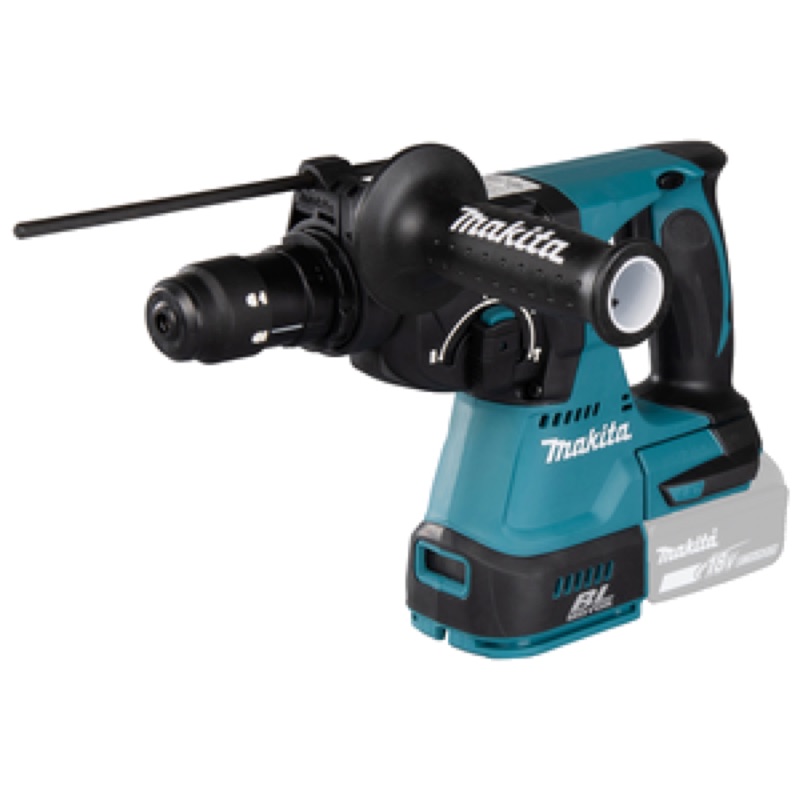
18V SDS-Plus rotary hammers
Seven 18V SDS-Plus rotary hammers, one per battery platform, scored on impact energy, capacity, hammer rate and price per joule.
See the comparison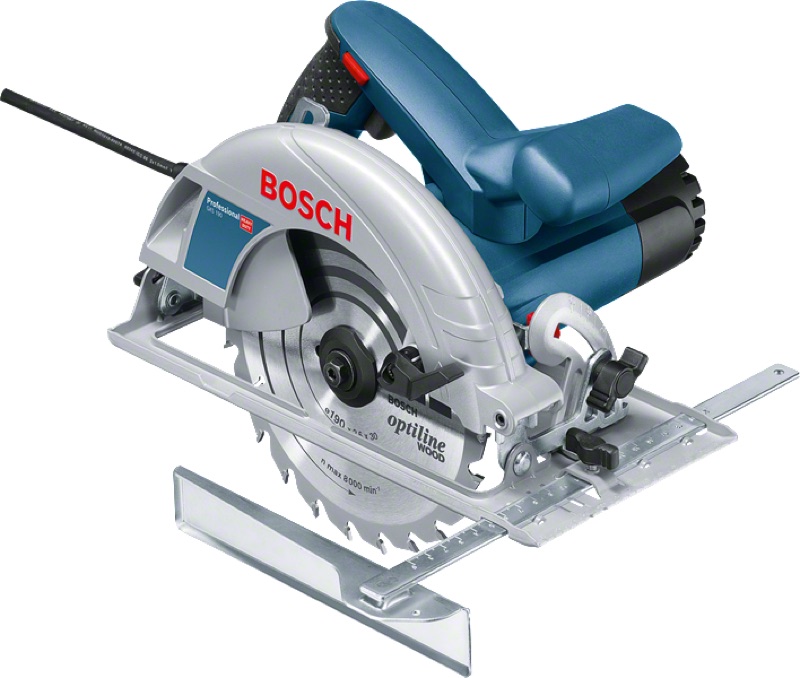
Circular saws
Eleven 184 to 190 mm circular saws scored on cutting depth at 90° and 45°, price, noise and weight, with the inconsistencies in their spec sheets flagged.
See the comparisonFrequently asked questions
How thick should loft insulation be?
The figure that matters is the performance, set by the Building Regulations and by the rules of any grant you claim, not a thickness somebody quoted. The thickness follows from the lambda value of the product you buy, which is on its data sheet. Two rolls of the same depth do not perform the same, and wool that has been squashed no longer performs at all.
Can you insulate over existing insulation?
Yes if what is there is dry, sound and not compressed, and if you are not trapping a vapour control layer between two layers, which would hold moisture in the middle. Otherwise take it out. And if you cannot identify what is up there, have it surveyed before you disturb it.
Can you still store things in a blown loft?
Not straight on the insulation: every trip across it compresses the depth you paid for. The answer is raised loft legs and boards that clear the insulation, over a defined area, with a boarded route to reach it.
Does a cold loft need a vapour control layer?
It depends on the ceiling construction, the climate and the product, and BS 5250 with the manufacturer's instructions is what settles it. What is never optional is the air tightness of the ceiling itself: hatch, downlights, pipe and cable penetrations, and the gap around the flue casing.