Tips for Building
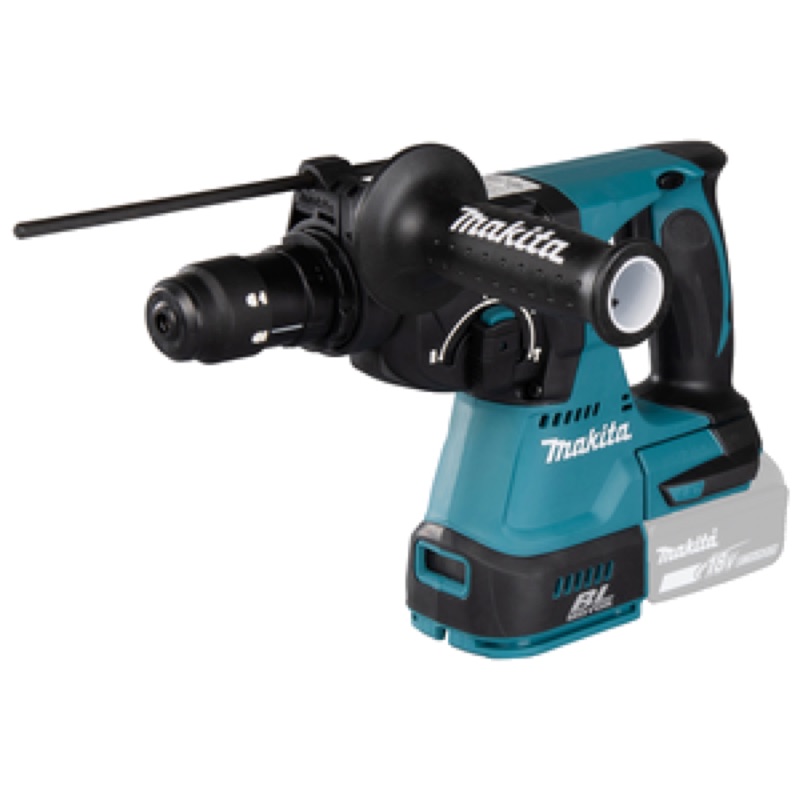
Highest score
Makita DHR243
8/10
score calculated from published figures
The continuity choice for a workshop already on LXT
Scored comparison
One machine per battery platform. The score is not an impression: it is calculated from the specifications manufacturers publish, the size of the platform catalogue and the retrieved price. The formula is written under the table.
Affiliate link: we earn a commission if you buy through it, at no extra cost to you. It never affects our scores. How we make money
Highest score
8/10
score calculated from published figures
The continuity choice for a workshop already on LXT
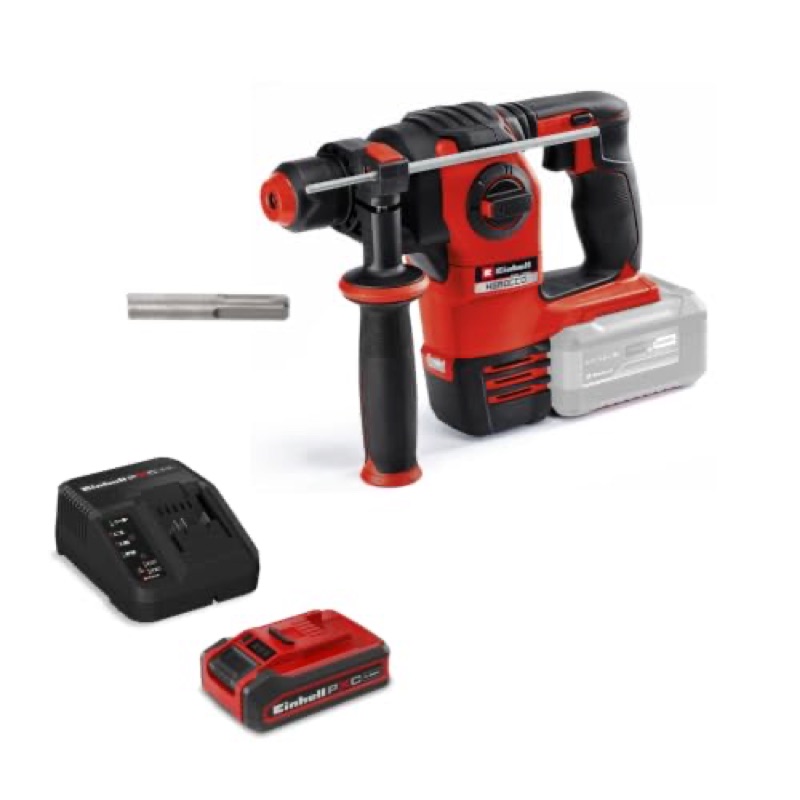
Best price per joule
8/10
score calculated from published figures
The best power for the money in this panel
The figure that separates these machines is impact energy. It runs from 1.3 to 2.6 J in this panel, a two to one spread. Everything else, capacity, hammer rate, weight, sits in far narrower gaps. A 1.3 J machine drills block easily and struggles in reinforced concrete.
7 of 7 machines
| Machine | Score | Impact energy | Platform | Retrieved price |
|---|---|---|---|---|
| 8/10 | 2 J | Makita LXT | $265.74See on Amazon | |
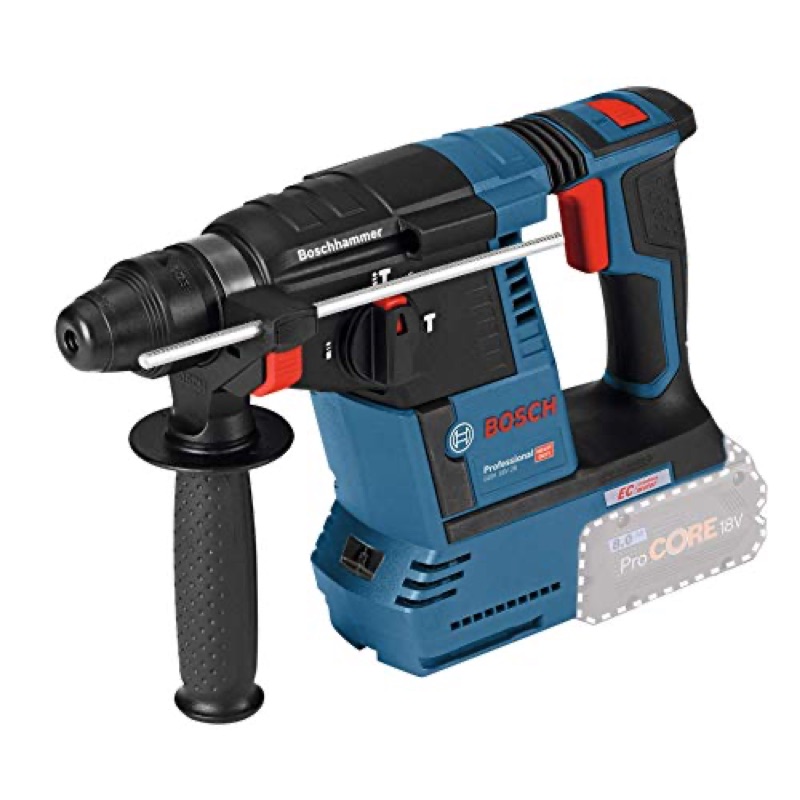
| 8/10 | 2.6 J | Bosch Professional AMPShare | $319.78See on Amazon | |
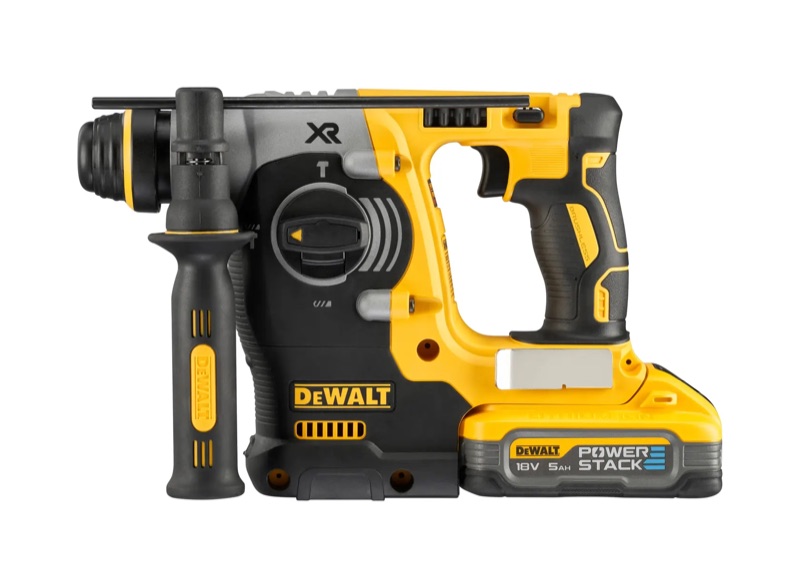
| 8/10 | 2.1 J | DeWalt 20V MAX (North America) / XR 18V (Europe) | $265.84See on Amazon | |
| 8/10 | 2.2 J | Einhell Power X-Change | $234.36See on Amazon | |
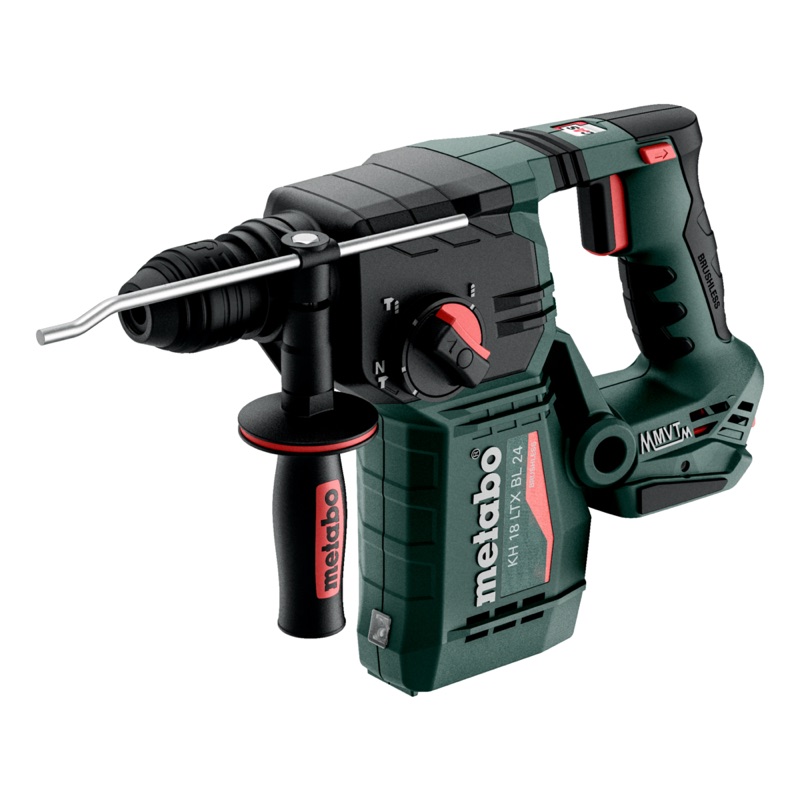
| 7.5/10 | 2.2 J | Metabo CAS (Cordless Alliance System) | $335.28See on Amazon | |
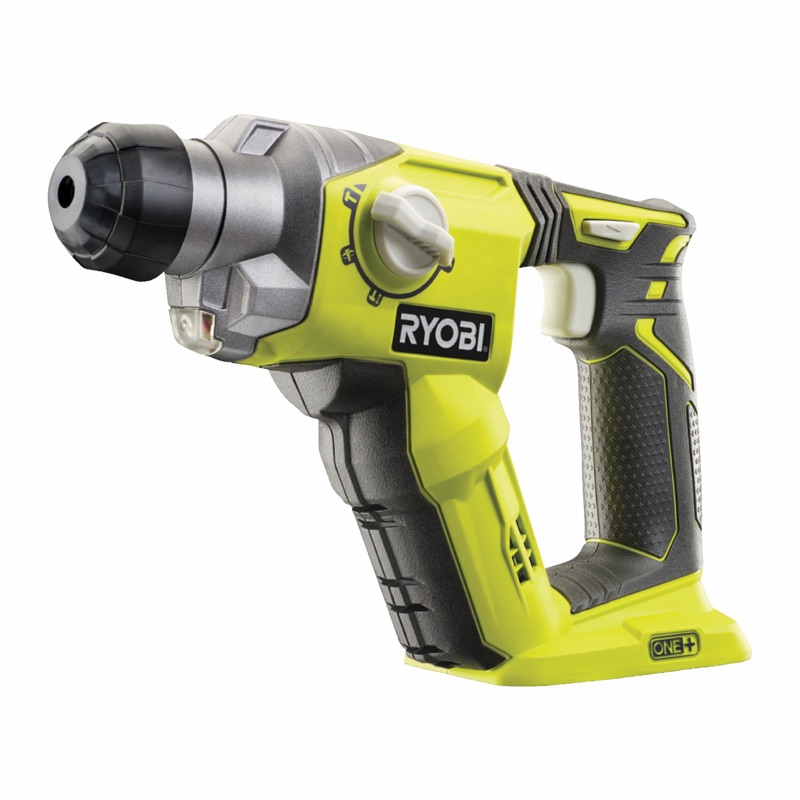
| 6.5/10 | 1.3 J | Ryobi ONE+ | $172.59See on Amazon | |
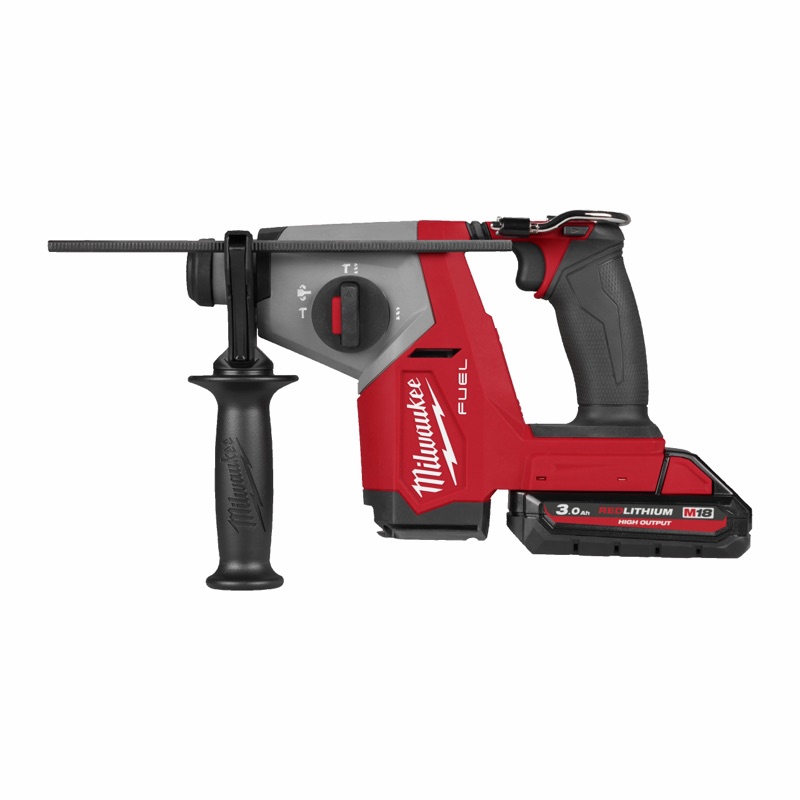
| 5.5/10 | 1.7 J | Milwaukee M18 | $44,500.00See on Amazon |
No item matches these filters.
We have not bench tested any of these machines, and we present nothing as if we had. The score is built from five measurable criteria: Impact energy 40 %, Concrete drilling capacity 20 %, Blows per minute 15 %, Platform catalogue size 15 %, Price per joule 10 %. Each value is mapped onto a 4 to 10 scale against the other machines in the panel, because coming last in a close comparison does not make a bad tool.
When a maker does not publish a specification, that criterion drops out and the remaining weights are renormalised. Each machine's page then states how much of the scale actually applied. We never substitute an average for a missing figure.
One caveat worth keeping: makers do not all measure the same way. Metabo and Ryobi publish impact energy to the EPTA standard, the others state an in-house figure. Makita gives a weight with the battery fitted, Bosch without. These numbers can be quoted; they cannot be subtracted from one another.
Choosing the machine is one thing, using it another. Here are the pages where it comes up, with the steps in order and the rest of the kit.
Dig out, compact, form up, reinforce, pour, level, cure: seven steps and the machines that are better hired.
Read moreSet out, fix the frame, run the cables, screw the boards, tape and joint: six steps and the kit that goes with them.
Read moreBase, setting out, adhesive, laying, cuts, grout: six steps, and the right tool for every cut.
Read morePrepare the base, isolate the edges, set the level, pour and dry: both methods and the kit each one needs.
Read moreRead the loft, fix what hides under the insulation, protect flue and downlights, insulate without compressing: both cases and the kit each one needs.
Read morePrepare the ground, set the supports, fix the joists, screw the boards, finish the edges: the steps of a deck that stays put.
Read more